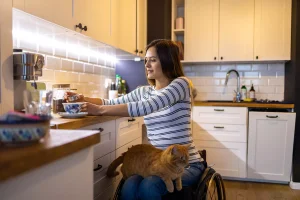
Supported Independent Living is often misunderstood as simply providing a place to live.
In reality, SIL is designed to help eligible NDIS participants live as independently as possible while receiving the day-to-day support they need. Depending on individual circumstances, this may include assistance with personal care, household tasks, developing independent living skills, medication support, and participating in community life.
The goal isn’t just safe accommodation—it’s creating an environment where participants can build confidence, develop routines, strengthen life skills, and work towards greater independence over time.
The quality of support surrounding the home is often just as important as the home itself.
The Challenge of Coordinating Multiple Providers
One of the most common challenges families and Support Coordinators experience is coordinating support across several organisations.
A participant may receive Supported Independent Living from one provider, Community Nursing Care from another, and psychosocial support from a third. While each service may be delivered professionally, managing communication between multiple teams can become time-consuming.
Changes in a participant’s health, routines, or support needs may need to be shared across several providers. Families often find themselves acting as the link between different services, while Support Coordinators spend valuable time following up with multiple organisations to keep everyone informed.
For participants, this can sometimes lead to unnecessary confusion, duplicated communication, or delays in responding to changing needs.
Why Coordinated Care Matters
Disability support isn’t simply about delivering individual services. It’s about ensuring those services work together.
When support workers, nurses, recovery coaches, and coordinators communicate effectively, participants benefit from a more consistent and personalised experience.
For example, if a participant begins showing early signs of declining health or changes in their daily routine, timely communication between the support team can help ensure appropriate action is taken quickly. Likewise, mental wellbeing, medication management, and daily living goals are often interconnected rather than separate aspects of a participant’s life.
An integrated approach encourages proactive support rather than reactive responses, helping participants maintain stability while reducing unnecessary disruptions to their daily routine.
Why Local Experience Matters in Wagga Wagga (Riverina Community)
Living in Wagga Wagga offers many opportunities for community participation and independent living. Local parks, community spaces, recreational activities, shopping precincts, and social programs all play an important role in helping participants remain connected to their community.
However, regional living can also present unique considerations. Accessing different services across multiple locations, coordinating appointments, or finding compatible living arrangements may require additional planning compared with larger metropolitan areas.
This is why local knowledge matters.
Providers who understand the Riverina community can often deliver more personalised support by helping participants stay connected with local activities, establish meaningful routines, and build confidence within familiar surroundings.
Choosing a Provider That Offers Connected Support
Rather than asking participants and families to manage several different providers, Kerima Care offers a coordinated approach to disability support across Wagga Wagga and surrounding communities.
Alongside Supported Independent Living, Kerima Care also provides Community Nursing Care and Psychosocial Recovery Coaching, allowing participants to access multiple supports through one experienced local team where appropriate.
This integrated model encourages better communication between professionals, more consistent support planning, and a greater focus on each participant’s individual goals.
Instead of repeating information to multiple providers, participants and families can benefit from a more connected approach that places their wellbeing at the centre of every decision.
Questions To Ask Before Choosing a Supported Independent Living Provider
Choosing a Supported Independent Living provider involves more than comparing accommodation options.
It’s worth asking questions such as:
- How are individual support plans developed and reviewed?
- How does the provider communicate with families and Support Coordinators?
- Can nursing or specialised supports be coordinated when required?
- How are participants encouraged to build independence and life skills?
- What opportunities are available for community participation?
- How does the provider respond if a participant’s needs change over time?
The answers to these questions often reveal how effectively a provider can deliver consistent, person-centred support.
Building Independence Through Connected Support
Every NDIS participant has different goals, strengths, and aspirations. For some, success means learning new life skills. For others, it’s maintaining good health, building confidence, or becoming more involved in the local community.
Supported Independent Living works best when accommodation, daily support, clinical care, and emotional wellbeing are considered together rather than as separate services.
By delivering coordinated support tailored to individual needs, providers can help participants focus less on managing services and more on living the life they choose.
For participants, families, and Support Coordinators exploring Supported Independent Living in Wagga Wagga, understanding how services work together can make choosing the right provider a far more informed and confident decision.
Also Read: What Can NDIS Funding Be Used For?